
COMAGAL ENERGY · Updated 18 October 2026
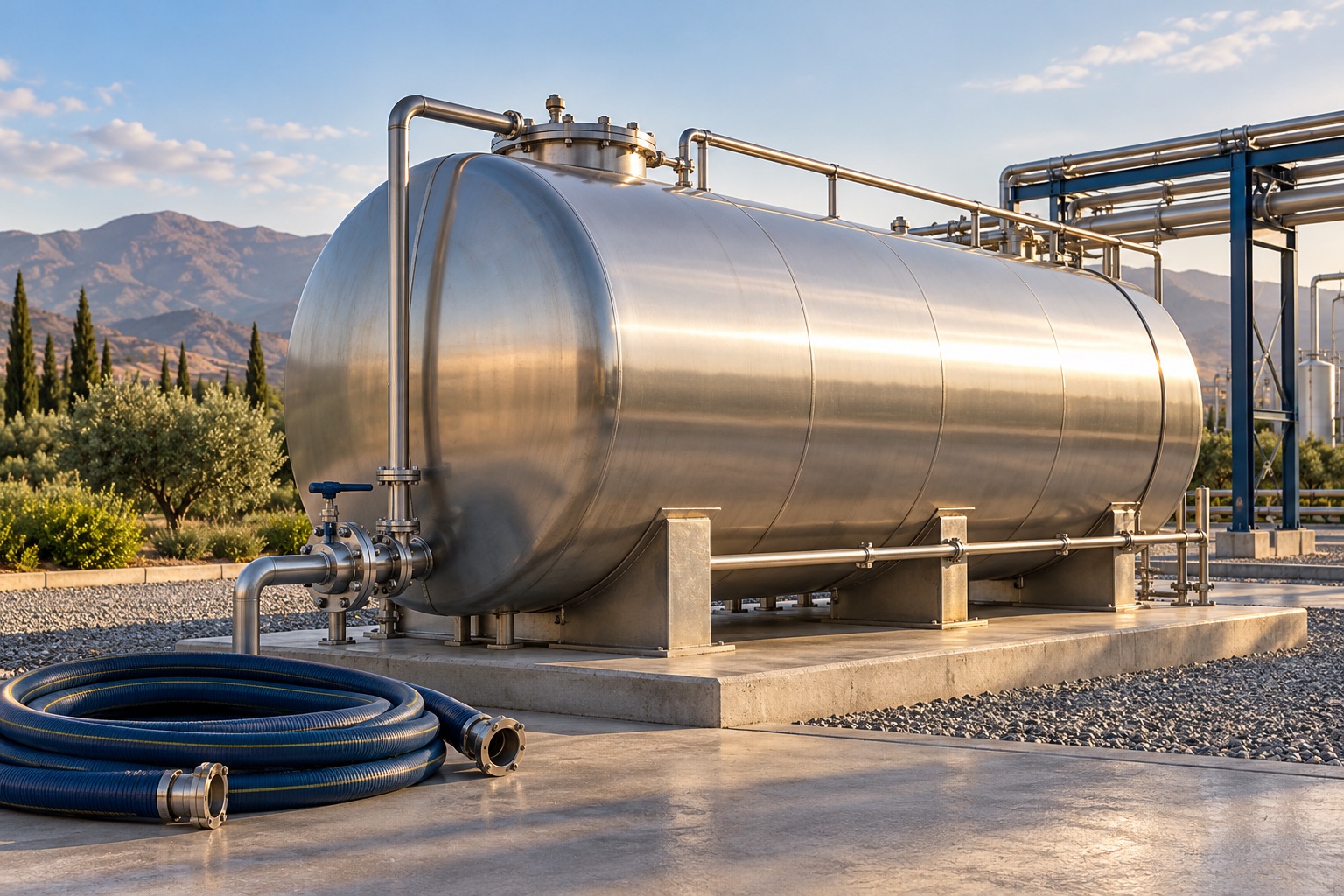
A tank may still contain oil, deposits or residues when cleaning is required. Your goal is to make the installation available again. Planning both the cleaning and the handling of the removed material helps you describe the complete project from the start.
Start with your installation
A small workshop tank and a large industrial reservoir have different constraints. Tell us the capacity, previous contents, location and reason for cleaning: maintenance, a product change or a return to service. If an item is unknown, say so.
Clarify what the proposal includes
Cleaning, residue collection and transport should be identified in the proposed scope. This gives purchasing and maintenance teams a common basis for their decision. It also allows you to state what documents or completion records your company expects.
Prepare the request from outside the tank
INRS publishes technical guidance on confined-space risks. A tank should not be approached as an ordinary room. Use information already available and do not enter it to complete an enquiry. Competent professionals must assess intervention conditions. The French technical reference below is distinct from Moroccan rules.
Work with COMAGAL
COMAGAL offers tank cleaning and petroleum waste collection. If both are needed, include them in your first message. Send the city, tank type, approximate capacity and intended use after cleaning. Our team can then discuss the scope and collection conditions with you.
Explore the relevant COMAGAL offer →Useful references
- INRS — Confined-space risk prevention (French technical guidance) ↗
External reference. Ask our team for the documents and conditions specific to your project.